Although these two materials are somewhat different, I’ve gone for a twofer because both are used for what we call sacrificial workbench tops. They are relatively low-cost (MDF is normally cheaper) and are available as 8×4 sheets from hardware stores. Maximum thickness is usually ¾ inch, and that’s what I get. Cut the sheet to the size you need and simply screw it to your bench. When it gets too beat up, just replace the old sheet with a new one.
I prefer plywood, which is made from thin sheets (veneers) of wood glued together in layers, with each one at a 90 degree angle to the last. This offers a lot of strength and stability. Plywood splinters are surprisingly painful, so be careful when you lift a board, and be sure to sand the edges of the worktop thoroughly once in place. MDF is made from wood particles and resin glue compressed together. It’s easy to work with, doesn’t produce splinters, and stays flat, but is very dusty when you cut it. Personally, I prefer not to use it, but it is the most budget-friendly way to produce a stable workbench top.
HDPE (High Density Polyethylene)


Goodbye Traditional Bird Baths: Use A Plastic Bottle To DIY One With Running Water

For More Beautiful Wood Furniture, Paint It Norwegian-Style And Never Go Back

Turn A Cardboard Box Into Cleverly Hidden Kitchen Storage With A Savvy DIY
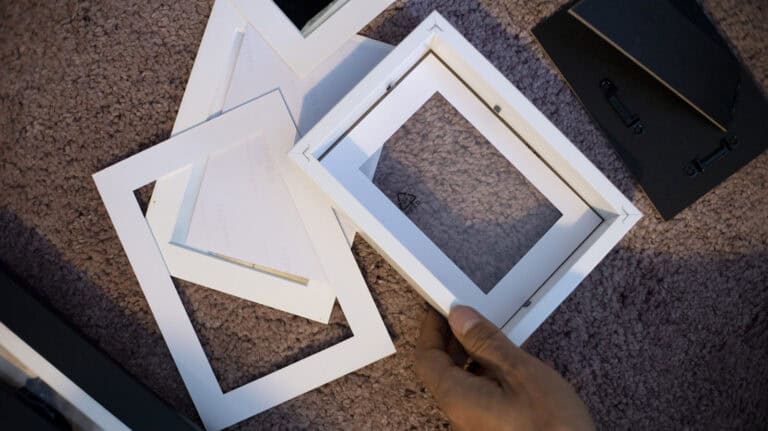
Everyone Used To Collect Them — Now They’re A Budget-Friendly Find For Collage Walls

The Bladder-Leak Trick Gynaecologists Didn't Want Women To Know

No More Boring Racks — This ’80s Find Is A Cuter Way To Organize Your Entryway
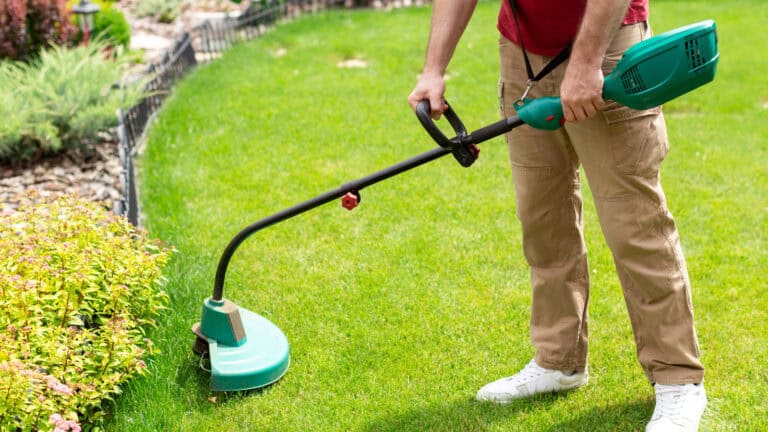
The DIY Weed Wacker Idea That Seems Genius, But Is Actually A Waste Of Time
Arthritis & Knee Pain Will Disappear Forever If You Do This!
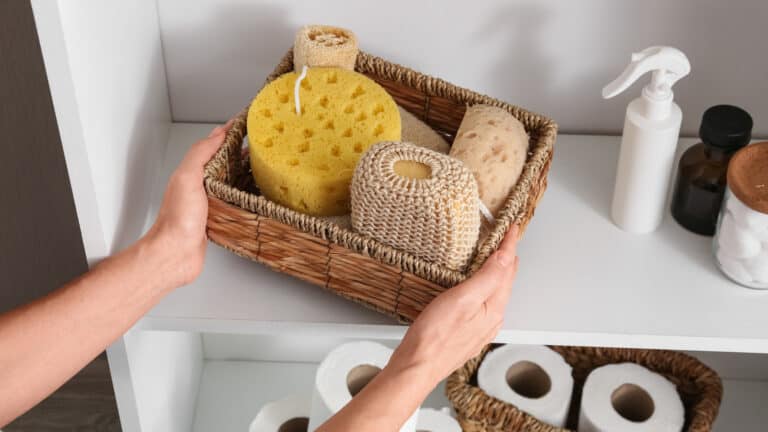
Trade In The Flimsy Baskets: The Durable Vintage Find That Creates Instant Storage