Krakenimages.com/Shutterstock
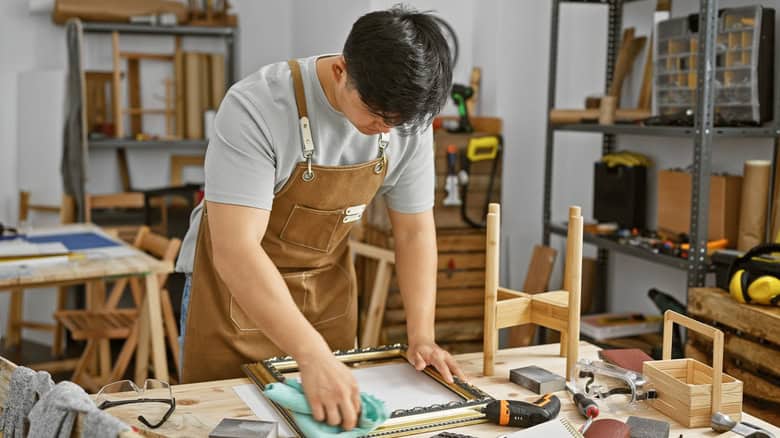
There are plenty of useful articles about which materials to choose, but you won’t get far without a decent workbench. It needs to be sturdy, and the worktop itself has to be flat. It’s bound to get marked and have chunks taken out of it eventually, but the surface has to be level or your accuracy will suffer. I’ve been a carpenter and remodeler for over 25 years, and I’ve built a few benches in my time. Today we’re going to look at what I think are the best materials to give you a reliable surface to work on.
There’s nothing to stop you getting some 4x4s and 2×6 pine boards from your local hardware store and nailing a rudimentary bench together. It will serve a purpose. Pine is soft though, so it’s easy to damage and tends to warp with changes in humidity. There are those who would argue that for ba sic projects, that kind of surface is adequate. I disagree. A poor workbench top makes it difficult to make pieces well, and if you’re put off from the get-go, you’re more likely to give up.
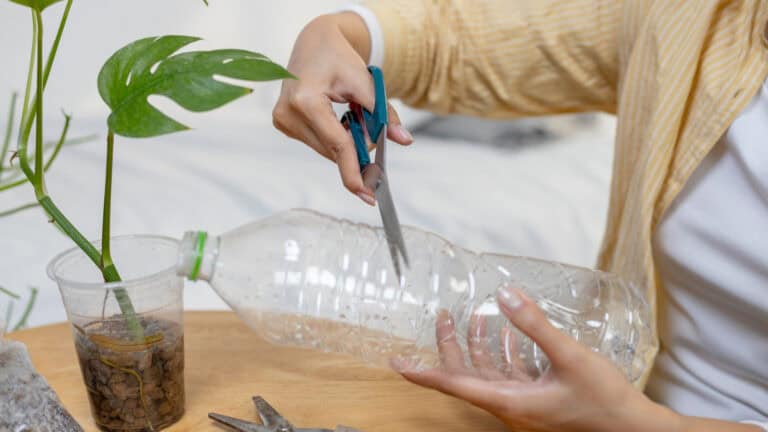
Goodbye Traditional Bird Baths: Use A Plastic Bottle To DIY One With Running Water

For More Beautiful Wood Furniture, Paint It Norwegian-Style And Never Go Back

Turn A Cardboard Box Into Cleverly Hidden Kitchen Storage With A Savvy DIY
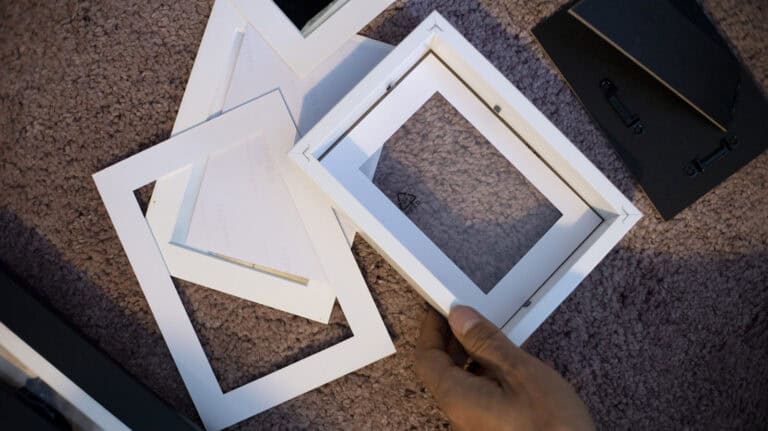
Everyone Used To Collect Them — Now They’re A Budget-Friendly Find For Collage Walls

Endocrinologist: Do This Immediately If You Have High Blood Sugar

No More Boring Racks — This ’80s Find Is A Cuter Way To Organize Your Entryway
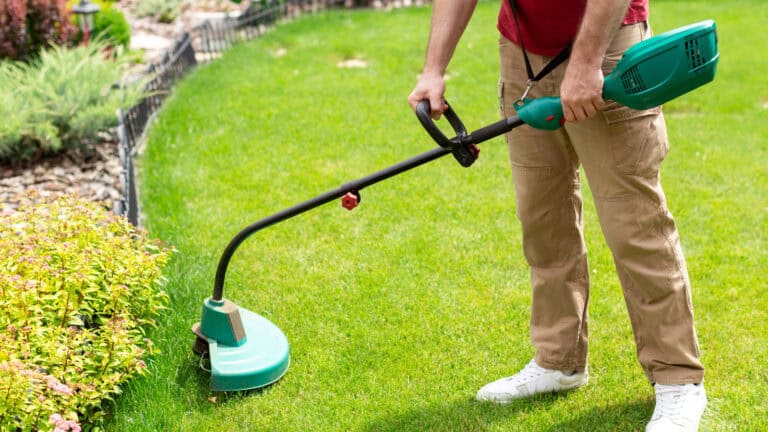
The DIY Weed Wacker Idea That Seems Genius, But Is Actually A Waste Of Time

Cystitis And Urinary Incontinence Disappeared In 5 Days!
Trade In The Flimsy Baskets: The Durable Vintage Find That Creates Instant Storage